

Base cabinets – the functional foundation of the kitchen
Base cabinets define how the kitchen works in everyday life. They form the foundation for storage, work surfaces and the integration of appliances — shaping both function and proportion.
At Bødker &, we design kitchens using carefully considered base cabinets, including Buster & Punch base units, to create calm, balanced layouts where materials, ergonomics and daily use work seamlessly together.
Every solution is adapted to the room, the way the kitchen is used and the overall architectural expression.

Base cabinets as the foundation of the kitchen
Base cabinets form the backbone of the kitchen layout. They support the worktop, house appliances and provide the primary storage that defines how the kitchen functions on a daily basis.
Whether arranged along walls, combined with tall cabinets or integrated into a kitchen island, base cabinets establish the kitchen’s working zones - cooking, cleaning and preparation - while setting the overall proportions of the space.
As part of a complete Buster & Punch kitchen, base cabinets define structure, proportion and functionality within the overall architectural expression.
At Bødker &, we work with a limited number of carefully designed base cabinet configurations, including Buster & Punch base units, allowing each kitchen to be tailored to the room, the architecture and the way it is used.
Different base cabinets for different needs
There is no single correct base cabinet solution. Some kitchens prioritise generous drawer storage, others focus on integrated appliances or uninterrupted work surfaces.
Base cabinets can be configured to support:
- efficient everyday storage
- integrated ovens, dishwashers or refrigeration
- clear working zones and logical workflows
- a calm, architectural expression
The right solution is always defined by how the kitchen is used - not by fixed layouts.
-

Base cabinets with drawers
Drawer-based base cabinets offer efficient access and clear organisation. From cutlery and utensils to pots and provisions, drawers support everyday routines while keeping the kitchen visually calm.
-

Base cabinets with integrated appliances
Integrated ovens and dishwashers are planned as part of the base cabinetry. This creates logical workflows and allows appliances to support the kitchen without dominating the overall expression.
-

Base cabinets defining work zones
Base cabinets help structure the kitchen into functional zones. Cooking, preparation and cleaning areas are defined through cabinet layout, improving flow and making daily use intuitive.


Design, proportions and material choices
Base cabinets play a defining role in the visual balance of the kitchen. Their height, depth and materiality influence how the space feels - from the rhythm of the cabinetry to the way light moves across surfaces.
With Buster & Punch base cabinets, design is driven by proportion and detail. Solid construction, refined finishes and considered lines allow the base cabinetry to act as a calm architectural base rather than a series of individual units.
Material choices, drawer configurations and front detailing are carefully aligned with the rest of the kitchen - ensuring that base cabinets support the overall expression without drawing unnecessary attention.
When designed correctly, base cabinets provide both visual stability and long-term functionality, forming a foundation that allows the rest of the kitchen to stand out.

Before choosing base cabinets
Base cabinets play a crucial role in both the function and overall expression of the kitchen. They form the foundation for work zones, storage and appliance integration, and strongly influence how the kitchen is experienced and used on a daily basis.
Before deciding on the configuration and placement of base cabinets, there are a number of key considerations that help ensure a solution that works both practically and visually.
Consider for example:
- Working heights and ergonomics in relation to everyday use
- Placement of drawers, cabinets and appliances within kitchen work zones
- The relationship between base cabinets, worktops and surrounding elements
- Materials and finishes that support the overall kitchen expression
A well-considered base cabinet solution provides structure, clarity and a calm foundation on which the rest of the kitchen can be built.
Base cabinets for different needs
Base cabinets can be configured in many ways depending on the size of the kitchen, its work zones and how the space is used in everyday life. Drawer systems, cabinets and integrated appliances are combined to create a functional and cohesive foundation.
At Bødker &, we work with base cabinet solutions that balance function, proportion and materiality within a single architectural expression. Some solutions act as a calm base along the wall, while others play a more active role in structuring kitchen workflows.
The examples below illustrate different ways base cabinets can be integrated into the kitchen — offering inspiration for how storage, work zones and technology can be brought together in a considered solution.
-
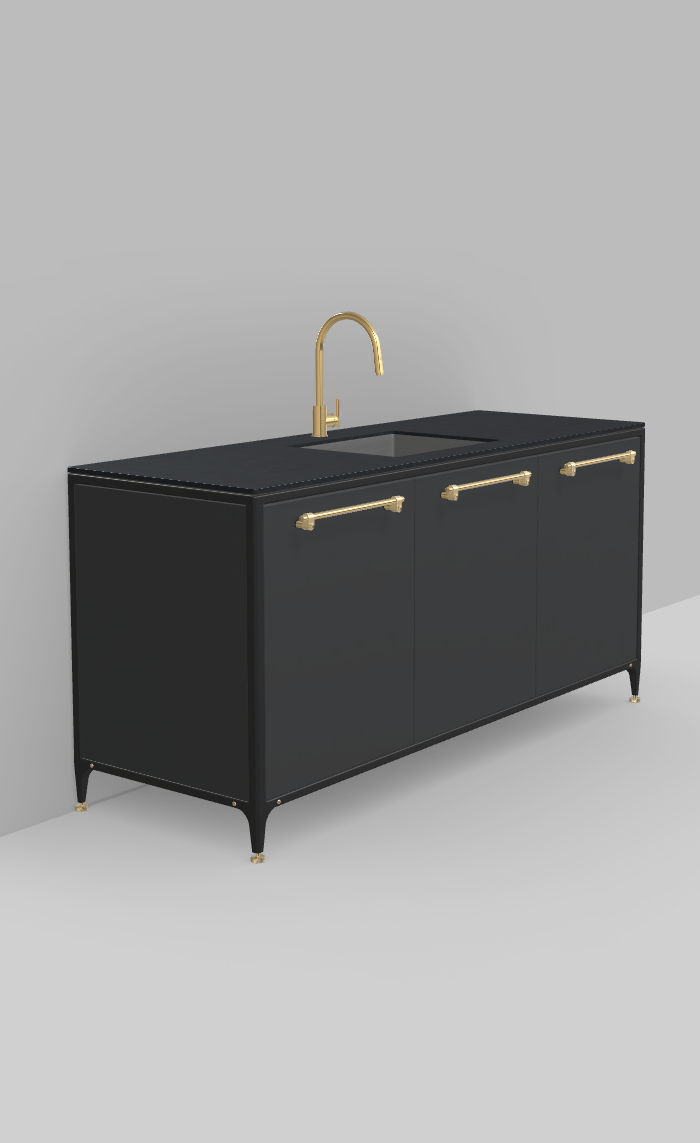
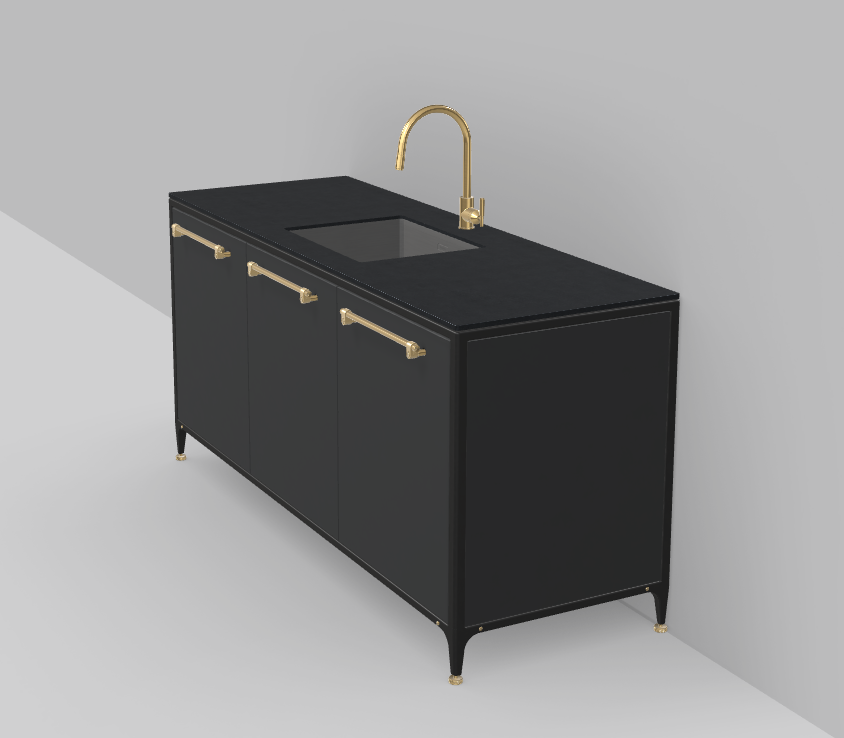 Buster + Punch kitchen unit 186 cm | Off Black | DishDrawerVendor:Buster + Punch kitchen unit 186 cm | Off Black | DishDrawerBuster + Punch
- Regular price
-
106.855,33 DKK - Regular price
-
- Sale price
-
106.855,33 DKK
Quick view

These base cabinet units are shown as pre-configured examples.
Most projects are adapted in dimensions, materials and layout to suit the individual home.
Book a design meeting – and define your base cabinet solution
Base cabinets form the foundation of the kitchen’s functionality and workflow. A design meeting allows us to review layout, work zones, storage requirements and appliance integration - always based on your space and how the kitchen is used in everyday life.
This is not about standard modules, but about finding the right balance between function, proportion and materiality, ensuring the base cabinets support the overall kitchen expression.
During the design meeting, we discuss among other things:
- working heights and ergonomics
- placement of drawers, cabinets and appliances
- the relationship between base cabinets, worktops and surrounding elements
- materials, surfaces and detailing
The design meeting is non-binding and can take place in our showroom, online or at your home - whichever suits you best.
